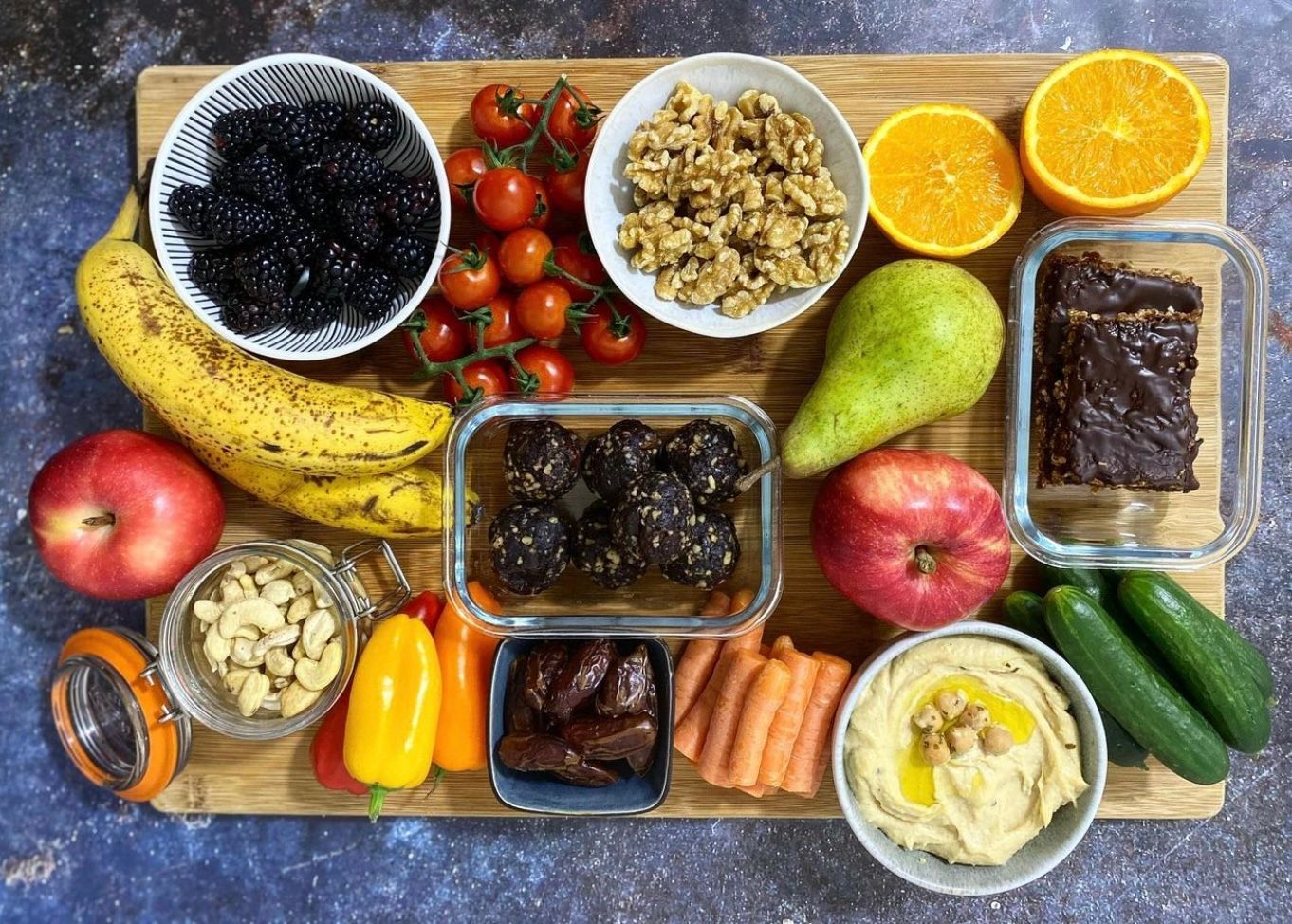
Why eating 30 different plants per week is optimal? 🌿
The "30 plants" theory is based on the largest study ever conducted on the human microbiome (The American Gut Project). The results showed that people who ate more than 30 different types of plant foods per week had a significantly healthier and more diverse gut compared to those who ate fewer than 10.
The Main Benefits:
1.A Richer Microbiome: Our gut is like a "rainforest." The greater the variety of foods we provide, the stronger and more diverse the bacteria that grow. This boosts our immune system.
2.Fiber & Prebiotics: Every plant has different types of fiber. Beneficial gut bacteria feed on these to produce valuable substances (short-chain fatty acids) that reduce inflammation in the body.
3.Polyphenols & Antioxidants: Different colors in plants represent different protective substances. By eating 30 species, you ensure a full "rainbow" of vitamins.
4.Better Mental Health: The gut is directly linked to the brain. A healthy microbiome helps produce serotonin, improving mood and concentration.
What Counts as a "Plant"?
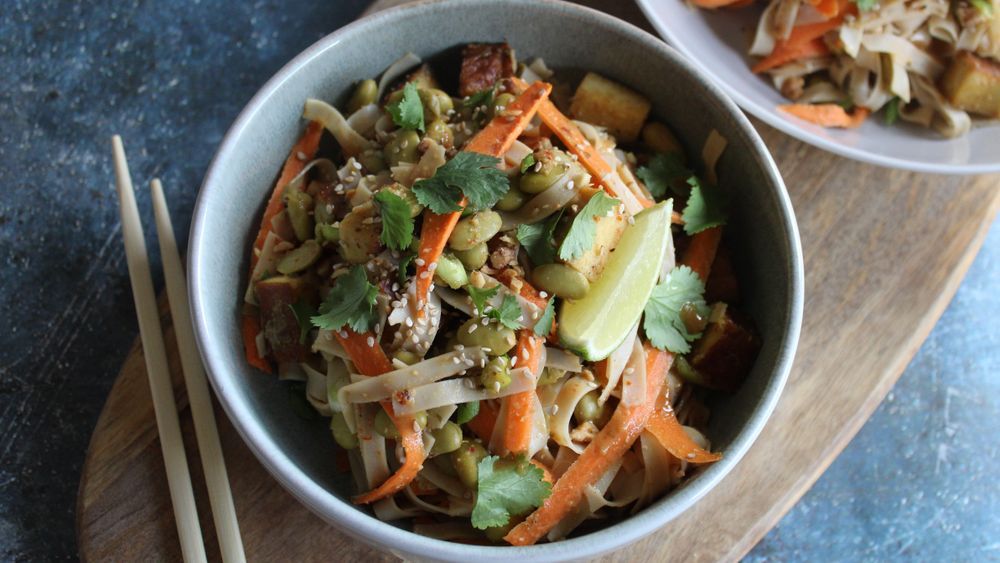
It’s not just vegetables! To reach the goal of 30, the following count:
- Vegetables: Lettuce, carrots, broccoli, peppers
- Fruits: Apples, berries, bananas, kiwi
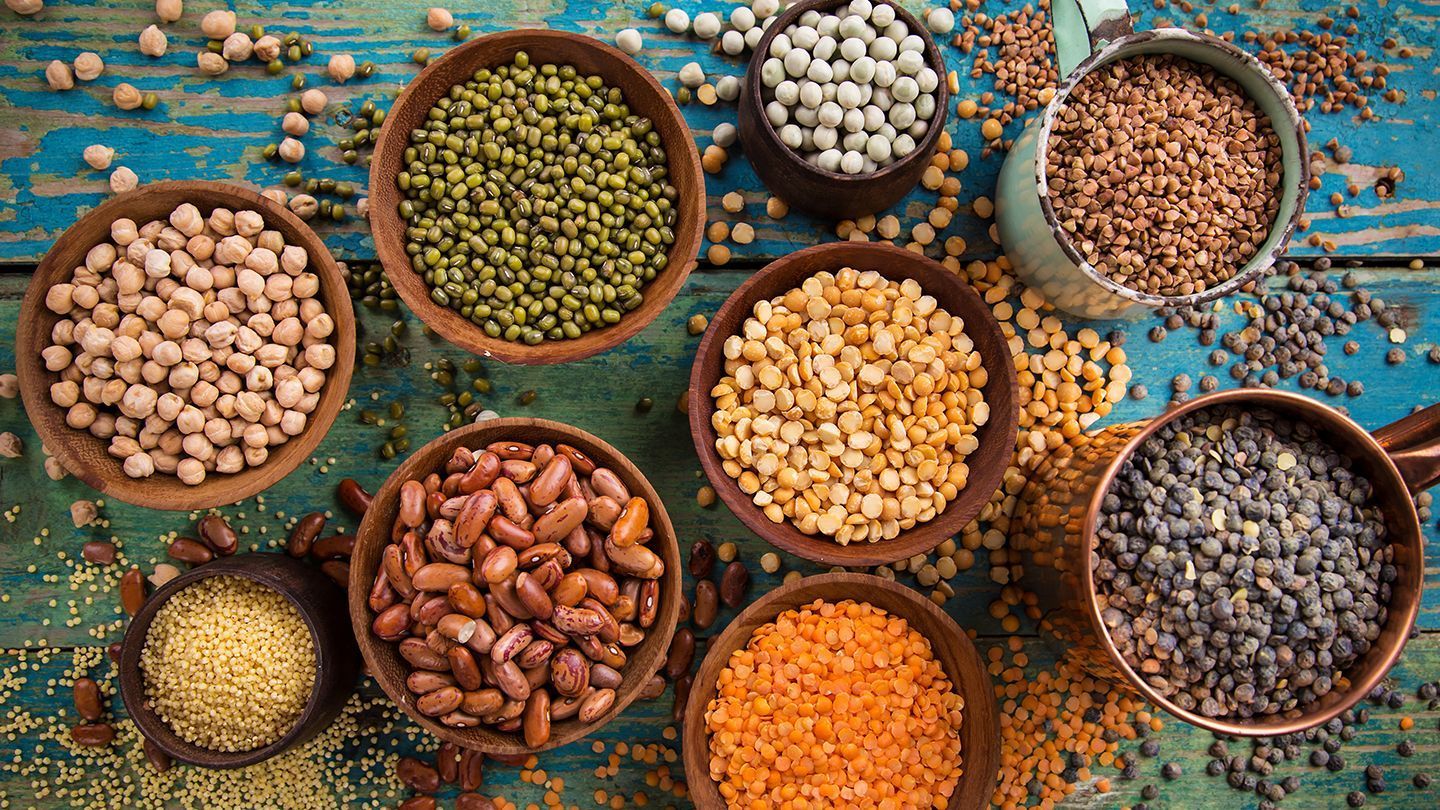
- Legumes: Lentils, chickpeas, beans
- Grains: Oats, quinoa, brown rice, buckwheat
- Nuts & Seeds: Walnuts, flaxseed, chia seeds, almonds
- Herbs & Spices: Turmeric, fresh rosemary, cinnamon (each spice counts as 1/4 of a point, but every little bit helps, as we say in Greek, "every bean fills the bag!")
- Coffee, tea, extra virgin olive oil, and dark chocolate (if it's at least 70% cocoa), are all rich in beneficial plant compounds and do count towards your 30-plants goal
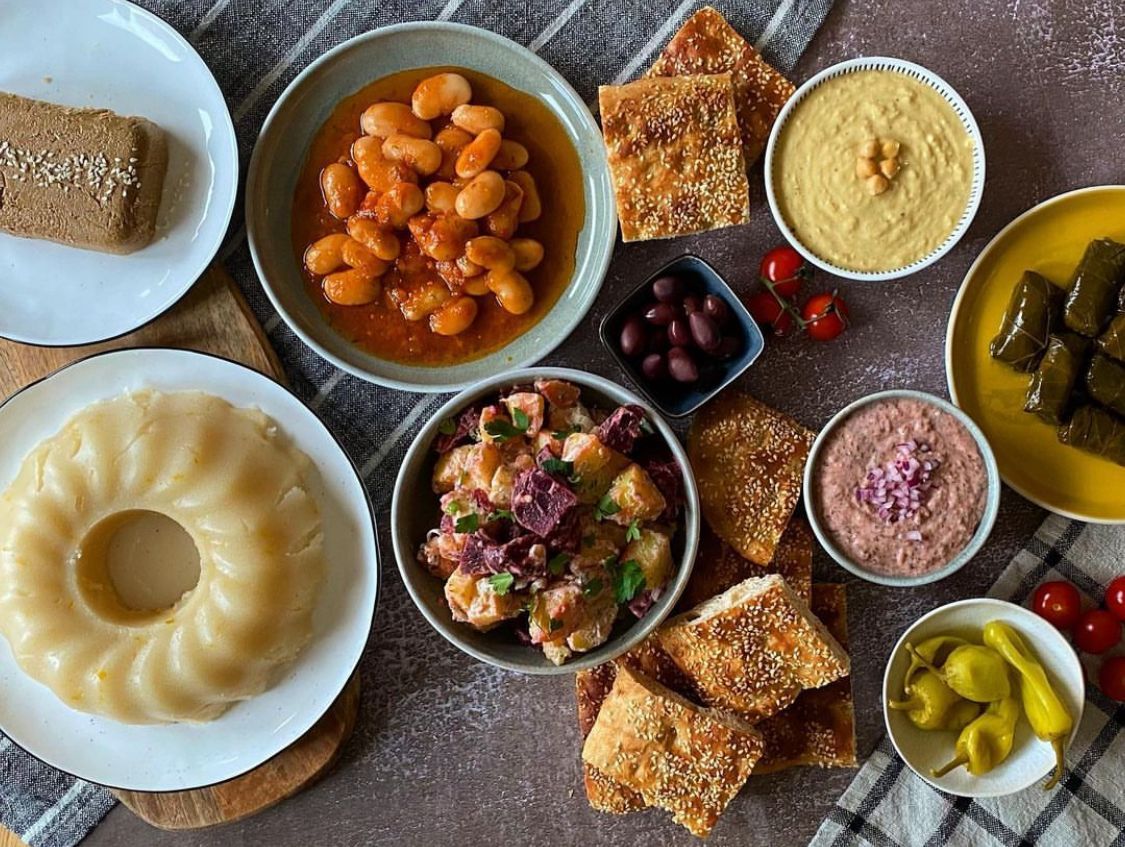
Smart Tips to Reach the Goal:
- Don't just buy one variety: Instead of a plain green salad, grab a pre-mixed bag (e.g., spinach, arugula, cabbage). That already counts as 3!
- Nut Mixes: Add a seed mix on top of your yogurt or salad.
- Colorful Meals: Instead of just green peppers, use half green, half red, and half yellow. 💡 Advice: If you currently eat very little fiber, start gradually to avoid bloating. Add 2–3 new plants each week!
My Experience: How Meal Prep Helps Me Hit the Goal! 👩🍳
Many of you ask me: "Natali, how do you manage to eat such a variety every week?" The answer is simple: Meal Prep!
For me, Sunday morning is organization time. I spend a maximum of 2 hours in the kitchen, and this secures nutritious meals for the entire rest of the week. This way, I don't just hit the 30-plant goal, I save time and money too.
What My Meal Prep Includes:
Breakfast & Snacks: I prepare at least one breakfast option and one healthy snack.
The Meal Base: I cook a variety of proteins, grains, and legumes. I store them separately so I can mix & match during the week.
Ready-to-eat Veggies: I wash and dry my leafy greens and often chop a whole container of salad (without dressing!). I avoid adding tomatoes and cucumbers to the pre-prepped container to keep the salad fresh and crunchy without getting soggy.
Why I Love This Method:
Variety Without Repetition: I don’t eat the same food every day! For example, if I make spicy red kidney beans, one day I enjoy them in a pan-seared tortilla with a side salad; the next day in a roasted sweet potato topped with avocado cream; and for the third meal, in a rice bowl with tofu and pickled onions. One ingredient, three completely different worlds!
Budget & Speed: I use only one chopping board and very few pots (e.g., I boil the rice and then the quinoa in the same pot). During the week, I only need 5–15 minutes to put together a delicious and highly nutritious plate.
If you want to see what I eat daily, I’ll see you in my Instagram stories, and every Sunday I upload a summary of my prep on TikTok. Make sure to follow me to get ideas so we can start this health journey together! ✨
Nat